Defining the Function of an Arborist: Key Services for Tree Health and Care
An tree specialist is essential for maintaining tree well-being and long life. They apply specialized knowledge to assess trees and formulate individualized care programs. This includes trimming, diagnosing diseases, and managing soil health. Tree care professionals play a important role in fostering sustainable development. Their knowledge not only boosts the beauty of landscapes but also maintains ecological balance. Understanding their main offerings can reveal the critical impact they have on developed and undeveloped environments alike.
The Importance of Arborists in Tree Maintenance

Even though many homeowners may fail to appreciate the function of arborists, their knowledge is crucial for maintaining tree vitality and longevity. Tree specialists are skilled practitioners who are dedicated to the health and maintenance of trees. They possess in-depth knowledge of tree biology, diseases, and environmental elements affecting growth. By assessing tree health, arborists can spot potential issues, such as pest problems to nutrient shortages.
Their work include a number of critical tasks, including soil care, tree evaluations, and comprehensive maintenance strategies. Arborists also play a significant role in ensuring trees are planted in appropriate locations, considering elements such as sunlight, drainage, and space for growth. Their recommendations assists homeowners make informed choices that promote sustainable tree development. By utilizing arborist care, homeowners not only enhance the aesthetics of their landscapes but also aid the ecological balance of their surroundings, making certain trees flourish for a long time.
Crucial Tree Pruning Techniques
Proper tree pruning practices are crucial for keeping healthy and flourishing trees. Tree specialists use various techniques to strengthen tree structure, promote growth, and take away dead or diseased branches. One key technique is crown thinning, which means carefully removing branches to increase light access and air circulation. One other key practice is crown lifting, where lower branches are pruned to enhance passage and visibility. Additionally, the practice of crown trimming decreases the overall mass of a tree’s canopy, reducing strain while maintaining its shape.
Proper scheduling is key; it is usually best to prune during the dormant period in late winter or early spring. This reduces the loss of sap and fosters vigorous growth. Arborists suggest utilizing clean, sharp instruments to make precise cuts, which helps prevent injury to the tree. Ultimately, these vital techniques do more than just enhance beauty but also significantly impact the tree's overall health and long-term survival.
Planting and Transplanting Trees
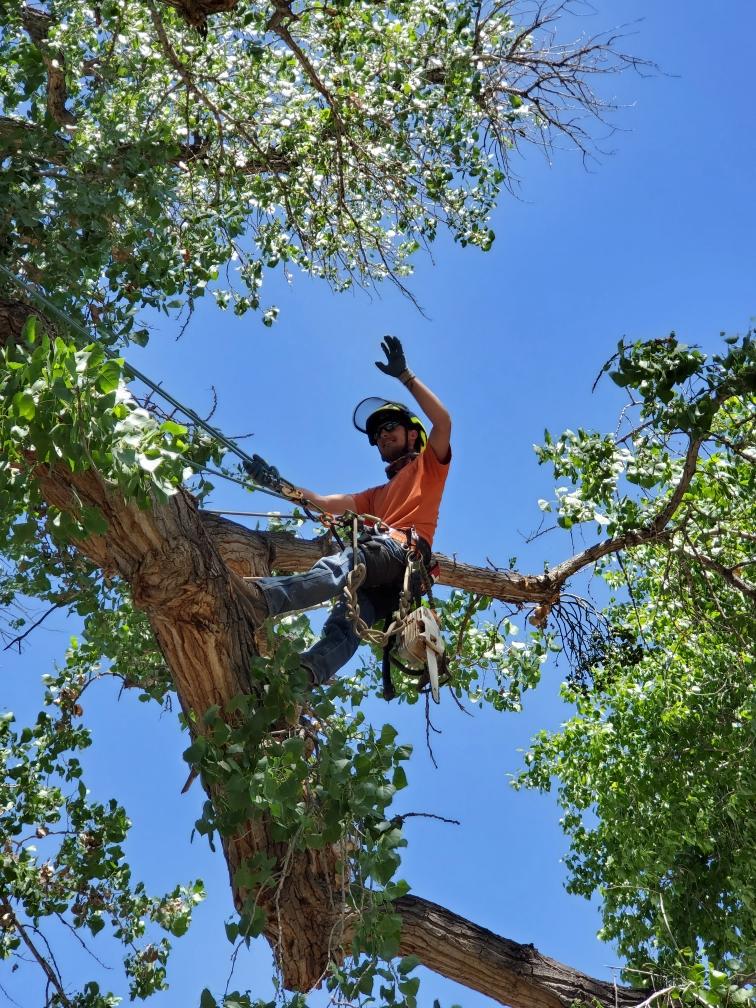
When considering the establishment of new trees, proper planting and transplanting techniques are crucial to secure their thriving development and assimilation into the environment. Arborists stress the necessity of choosing the correct type of tree for the site conditions, as well as making sure the planting pit is prepared well. The hole needs to be ample in width to accommodate the root system, allowing for proper spreading and aeration
During the relocation process, precautions must be observed to reduce disruption to the roots, which may impede the tree's capacity to take hold in the new location. Arborists recommend transplanting during the period of dormancy to reduce stress on the tree
(Florence Arborist)Following installation or moving, sufficient water and ground cover are necessary to facilitate the tree's settling in. Arborists also suggest observing the tree’s growth and altering tending methods find guide as needed to secure a smooth integration into the surrounding environment, thereby leading to a healthy setting
Spotting Tree Maladies and Bugs
How do you successfully spot the indicators of tree maladies and pests? Arborists utilize a keen understanding of the science of trees and environmental factors to diagnose these issues. Symptoms such as foliage discoloration, lack of vigor, or early defoliation usually point to deeper troubles. Furthermore, the presence of unusual growths, such as abnormal swellings, might suggest an illness or infestations.
Arborists also check the outer layer for lesions, entry points, or frass, which might indicate bugs are at work. Studying the soil and the immediate surroundings contributes to finding stress factors like bad drainage or nutrient shortages. Understanding seasonal cycles is necessary, as certain pests become active at set times.
Arboricultural Health Evaluations and Maintenance Plans
What approaches can be used to preserve perfect tree health? Certified arborists usually commence by performing detailed tree health checks, involving a careful review of the tree's overall state, including its structure, foliage, and root system. This review assists in finding potential concerns such as diseases, pests, or environmental stressors. Once the inspection is complete, a customized care plan is formulated, tackling unique necessities
Typical elements of these programs involve appropriate irrigation timetables, nutrient application methods, and cutting methods to boost development and hardiness - Florence Arborist. Additionally, arborists may recommend using mulch and handling the soil to enhance the availability of nutrients and moisture retention. Routine checking is vital, which permits modifications to the management program as conditions change. By implementing these strategies, the health and longevity of trees can be greatly improved, making sure they flourish in their surroundings while contributing to the broader ecosystem
The Function of Tree Specialists in City Tree Management
Arborists are vital in municipal tree care by caring for and keeping up the well-being of trees within city landscapes. The skills they possess greatly enhance to the ecosystem's steadiness and visual appeal in city environments. Arborists are involved in planting, ensuring appropriate species selection according to local environmental factors and urban planning needs. Arborists carry out frequent health checks to recognize pathogens, harmful pests, and physical defects, carrying out focused interventions to improve the trees' condition.
Furthermore, tree specialists create and implement maintenance plans that include pruning, fertilization, and irrigation, maximizing tree development and lifespan. They also educate community members on why trees matter and proper care practices. Through cooperation with urban developers and conservation agencies, arborists contribute to sustainable urban development, fostering biological diversity and enhancing the quality of the air. Their efforts are vital for establishing natural areas which help both inhabitants and the ecosystem, thereby supporting more robust urban ecosystems.
Frequently Asked Questions
How Do I Search For a Certified Arborist in My Area?
To find a professional tree expert in your vicinity, one can search online directories, ask at local nurseries, or reach out to tree care organizations. You must always verify certifications and read reviews to guarantee excellent results.
What Expertise is Necessary in an Arborist?
When looking for an arborist, you ought to check for certifications such as ISA or ASCA, sufficient expertise, proper insurance, and a good standing via testimonials. This expertise guarantee professionalism and knowledge in arboriculture and health.
Do Seasons Matter for Tree Pruning?
Tree pruning is most effective during the end of winter or the beginning of spring when trees are resting. Nevertheless, some species benefit from summer pruning. The schedule is based on the tree type and individual growing habits to encourage well-being and shape.
How Much Do Arborist Services Typically Cost?
Arborist services typically cost between $300 and $1,500, based on variables like tree size, location, and the scope of the job - Florence Arborist. Costs can fluctuate significantly based on local market needs and service provider experience
Am I Able to Do Tree Work Without Professional Help?
Yes, individuals can perform basic tree care without professional help, for example watering and mulching. But, for advanced procedures, like pruning or checking for sickness, consulting a certified arborist is recommended to maintain healthy trees.